
Service
Multifamily 1031 Identification
Multifamily assets in Conshohocken, PA and nationwide markets offer stable cash flow for exchange investors. We coordinate multifamily identification with rent roll reviews and financing preapproval.
Service Area
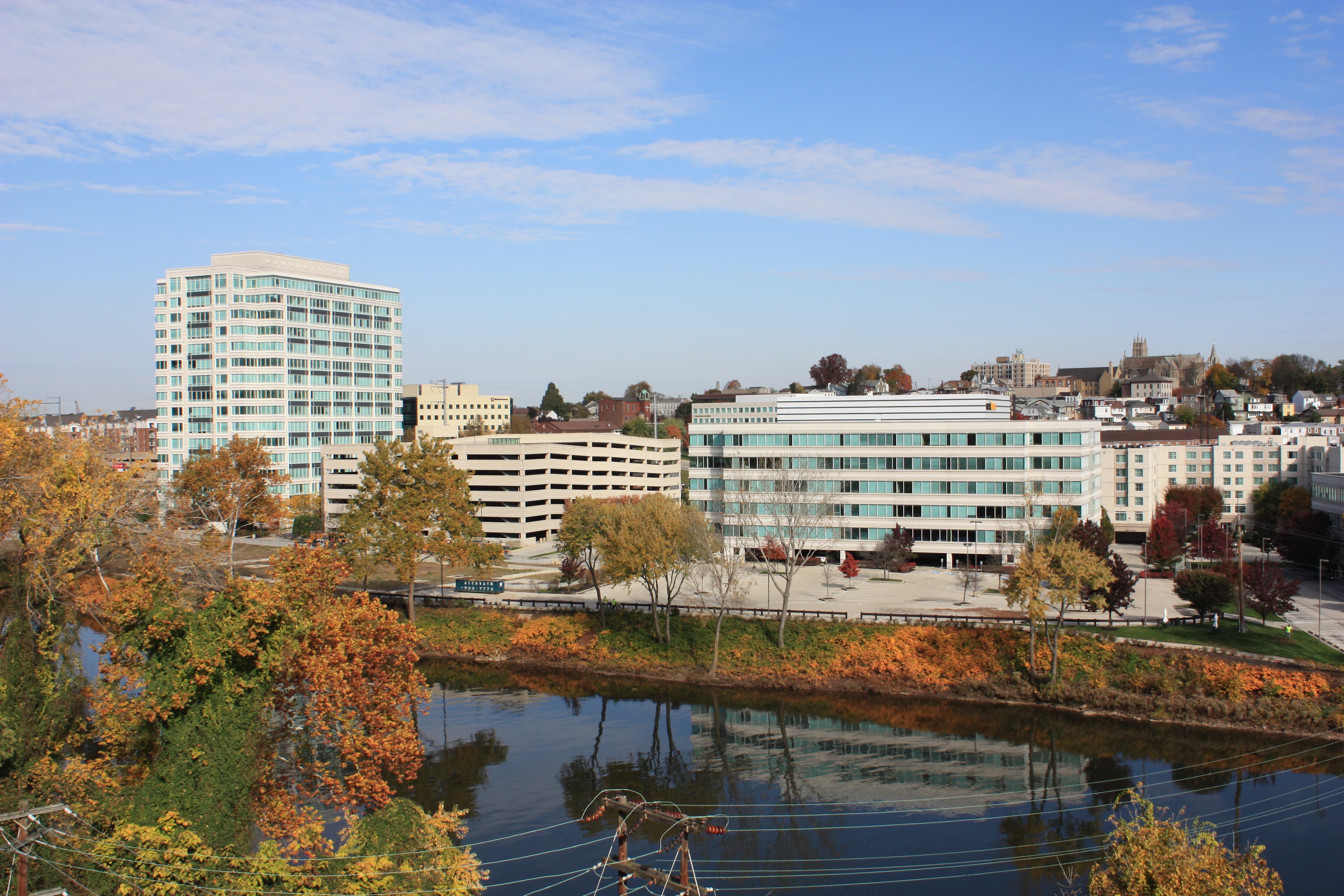
Conshohocken, PA offers suburban office, multifamily, and mixed use assets with strong access to Philadelphia, PA and major employment centers. We coordinate exchanges involving corporate office properties, stabilized multifamily communities, and retail centers that benefit from proximity to Center City.
Our team supports investors who need replacement property identification across Conshohocken, PA and nationwide markets. We emphasize nationwide property identification support to help investors find like kind assets that satisfy exchange requirements regardless of location.
Conshohocken, PA transactions remain subject to Pennsylvania realty transfer tax and Montgomery County transfer tax. Our process ensures compliance with local tax obligations while coordinating nationwide replacement property sourcing.
Market Insights
Local Market Detail
Conshohocken's exchange volume traces back to one thing: the Blue Route interchange with the Schuylkill Expressway put a small borough on the map for corporate office tenants, and that access still drives most of the replacement demand we see here decades later. Sellers exchanging out of riverfront office or converted mill buildings are usually reacting to a lease rollover, not distress.
Class A office along Fayette Street and Washington Street built during Conshohocken's original corporate boom remains the borough's core exchange product, and owners here often trade a single large office building for a smaller, fully-leased asset once a major tenant's lease rolls. The riverfront location keeps demand steadier than comparable inland suburban office, since Schuylkill River views and walkable retail are still leasing advantages tenants pay for.
Conshohocken's older mill buildings, many converted from textile and manufacturing use decades ago, now function as creative office and light flex space, and that conversion history matters during due diligence: original structural loading and floor plate configurations sometimes limit what a new tenant can build out. Investors selling converted mill space commonly exchange into newer flex product elsewhere in Montgomery County to avoid those retrofit constraints going forward.
A Conshohocken identification list usually stays inside a short radius:
Direct river frontage on Fayette Street commands the clearest premium in this submarket, ahead of comparable office one or two blocks back from the water.
Conshohocken's regional rail stop matters more to tenant demand than its size would suggest, and we confirm a candidate's walking distance to the station during the forty-five day identification window rather than assuming all riverfront office reads the same to a lender. A building two blocks from the platform underwrites differently than one across a busy arterial from it.
Converted mill buildings often carry older mechanical systems and structural documentation that takes longer to assemble than a standard suburban office file, so we start collecting that paperwork the week a candidate is identified. Waiting until the purchase agreement stage to request original structural drawings is one of the more common reasons a Conshohocken closing pushes toward day 170 instead of closing comfortably earlier.
Flood zone status along the Schuylkill River, structural retrofit history on converted mill buildings, and parking ratio constraints in the borough's dense core are the items most likely to complicate a Conshohocken exchange. Confirming flood insurance requirements before the identification notice is filed is worth doing early, since it can affect a lender's underwriting on riverfront candidates.
For flex and creative office in converted buildings, reviewing the retrofit history against the target tenant's build-out plan also matters, since not every converted floor plate suits every use.
Investment Paths
Service
Multifamily assets in Conshohocken, PA and nationwide markets offer stable cash flow for exchange investors. We coordinate multifamily identification with rent roll reviews and financing preapproval.
Property Type
Multifamily communities in Conshohocken, PA provide stable rental income and lender ready underwriting. We coordinate multifamily identification with occupancy analytics.
Service
Conshohocken, PA investors frequently need structured replacement property sourcing to identify like kind assets across local and nationwide markets. Our scouting service coordinates identification lists.
Property Type
Office buildings in Conshohocken, PA and nationwide markets offer stable cash flow and corporate tenant credit. We coordinate office identification with lease expiration analysis.
Service
Conshohocken, PA investors need independent rent roll verification to validate cash flow assumptions. We coordinate tenant credit scoring and lease expiration analysis.
Property Type
NNN retail properties in Conshohocken, PA and nationwide markets provide credit tenant income streams. We coordinate tenant credit analysis for these assets.
Our Services
Featured service
Align lender requirements and financing timelines for Philadelphia, PA 1031 replacement acquisitions.
Featured service
Identify stabilized and value add multifamily assets that satisfy 1031 exchange deadlines in Philadelphia, PA.
Featured service
Independent rent roll verification and tenant analytics for Philadelphia, PA replacement properties.
Featured service
Integrated 45 day and 180 day exchange timeline management for Philadelphia, PA investors.
Example of the type of engagement we can handle
Common Questions
The borough's exchange inventory naturally splits between the two, and investors often identify one of each alongside a backup, keeping the list well within the three-property rule.
It can, since lenders may require flood insurance quotes before finalizing financing on riverfront candidates. We check flood zone status during identification so it doesn't surface as a last-minute underwriting condition.
Older structural and mechanical documentation can take longer to assemble than a standard office file, so we request it as soon as a candidate is identified rather than waiting for the purchase agreement stage.
A qualified intermediary holds the funds between the relinquished sale and the replacement purchase, and we coordinate that paperwork alongside the structural documentation review throughout the exchange.
It can when an investor identifies more candidates than the three-property or 200 percent rules allow. Under the 95 percent rule, the investor must actually acquire at least 95 percent of the total value identified, which is a higher bar we rarely recommend unless the search has been unusually difficult.
Get Started
Connect with a Philadelphia exchange advisor to discuss your replacement property goals and timeline.
Educational content only. Not tax or legal advice.