
Service
Multifamily 1031 Identification
Multifamily assets in Manayunk Philadelphia, PA and nationwide markets offer stable cash flow for exchange investors. We coordinate multifamily identification with rent roll reviews and financing preapproval.
Service Area
Manayunk Philadelphia, PA offers walkable retail corridors and hillside multifamily communities that attract long term investors. Our team aligns exchange objectives with transit oriented development opportunities and value add projects.
Our team supports investors who need replacement property identification across Manayunk Philadelphia, PA and nationwide markets. We emphasize nationwide property identification support to help investors find like kind assets that satisfy exchange requirements regardless of location.
Manayunk Philadelphia, PA transactions remain subject to Philadelphia transfer tax and Pennsylvania realty transfer tax. Our process ensures compliance with local tax obligations while coordinating nationwide replacement property sourcing.
Market Insights
Local Market Detail
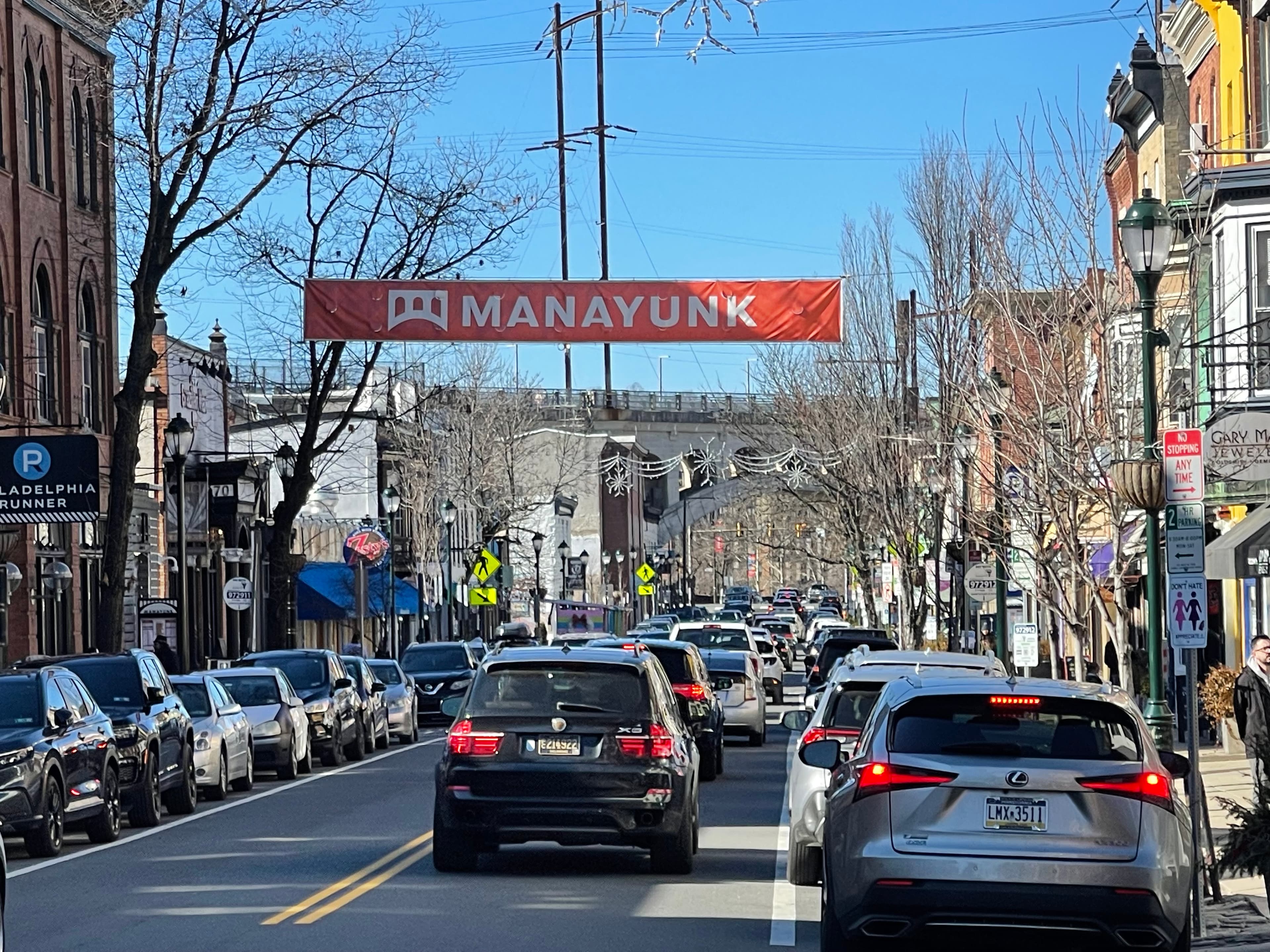
Manayunk's commercial base sits inside a narrow strip between the Schuylkill River and the hillside above Main Street, former textile mill buildings converted decades ago into loft-style multifamily and ground-floor retail, plus the Main Street corridor itself lined with restaurant and retail storefronts. Replacement property here trades in small increments, a converted mill floor, a single storefront, a handful of loft units, rather than the larger single-tenant deals more common elsewhere in the metro, and that scale changes how an investor should think about identification from the very first conversation with a qualified intermediary.
Many of Manayunk's mill conversions operate under a condominium regime with shared structural elements and limited on-site parking, and the condo declaration and reciprocal easement agreement need review before an identification letter goes out, not after. Parking allocation in particular is a recurring value driver in a neighborhood where street parking is genuinely scarce, and two otherwise identical units can carry very different resale value depending on whether a deeded parking space comes with the unit.
Restaurant and retail leases along Main Street should be reviewed for percentage rent and seasonal sidewalk-cafe or patio permits, since much of the corridor's income depends on warm-weather months more than a typical suburban retail lease would. The lowest blocks near the river have a documented history of periodic flooding during major storm events, which should factor into any flood-insurance and financing conversation, and a buyer should ask directly about any prior flood claims on the specific building rather than relying on a general neighborhood reputation.
Because Manayunk assets trade small, an investor exiting a larger single-tenant property elsewhere often needs several Manayunk-scale properties to redeploy the full exchange value, which tends to favor the 200% rule over the simpler three-property rule. The same citywide use-and-occupancy certificate and realty transfer tax rules apply here as anywhere else in Philadelphia, so an investor coming from a suburban deal should not assume the closing costs will look the same on this side of the exchange.
Given the neighborhood's condo-regime mill conversions and river-adjacent retail, a Manayunk diligence file typically includes:
Skipping the condo documents in particular is the single most common shortcut that causes trouble later, since a shared-facilities budget or an unresolved reciprocal easement dispute rarely shows up in a simple title search.
Investors who do well here read the condo declaration before falling for the loft finishes, price seasonal retail income realistically rather than annualizing a summer month, and confirm flood exposure on any river-adjacent parcel before relying on a below-market asking price alone. That combination of patience on paperwork and realism on income is what separates a smooth Manayunk closing from one that stalls in the final weeks of the 180-day period. Because inventory here turns over in small pieces rather than large blocks, an investor who has already lined up financing and identified a backup candidate tends to move through the process with far less friction than one relying on a single option to carry the whole exchange.
Investment Paths
Service
Multifamily assets in Manayunk Philadelphia, PA and nationwide markets offer stable cash flow for exchange investors. We coordinate multifamily identification with rent roll reviews and financing preapproval.
Service
Manayunk Philadelphia, PA investors frequently need structured replacement property sourcing to identify like kind assets across local and nationwide markets. Our scouting service coordinates identification lists.
Property Type
Multifamily communities in Manayunk Philadelphia, PA provide stable rental income and lender ready underwriting. We coordinate multifamily identification with occupancy analytics.
Service
Manayunk Philadelphia, PA investors need independent rent roll verification to validate cash flow assumptions. We coordinate tenant credit scoring and lease expiration analysis.
Service
Manayunk Philadelphia, PA exchanges require compliant three property identification strategies. We coordinate identification letter preparation and delivery to qualified intermediaries.
Property Type
NNN retail properties in Manayunk Philadelphia, PA and nationwide markets provide credit tenant income streams. We coordinate tenant credit analysis for these assets.
Our Services
Featured service
Identify stabilized and value add multifamily assets that satisfy 1031 exchange deadlines in Philadelphia, PA.
Featured service
Curated replacement property shortlists for investors executing 1031 exchanges in Philadelphia, PA.
Featured service
Independent rent roll verification and tenant analytics for Philadelphia, PA replacement properties.
Featured service
Structure compliant three property identification lists tailored to Philadelphia, PA market inventory.
Example of the type of engagement we can handle
Common Questions
The condominium declaration, reciprocal easement agreement, and parking allocation should all be reviewed before the identification letter goes out, since these documents determine what an investor is actually acquiring beyond the unit itself.
Flood zone status does not prevent identification, but it does affect insurance cost and financing terms, both of which should be confirmed before the 45-day deadline rather than discovered during closing.
Because individual Manayunk properties trade small, the 200% rule often works better than the three-property rule when redeploying a larger exchange value across several smaller acquisitions.
Many restaurant and retail tenants see meaningfully higher revenue during warm-weather months given the corridor's outdoor dining culture, so annualizing a single peak month's performance can overstate a property's actual income.
The reciprocal easement agreement and the shared-facilities budget are the documents most often skipped in a rushed closing, and either one can reveal a dispute or an underfunded reserve that a standard title search would not surface on its own.
Get Started
Connect with a Philadelphia exchange advisor to discuss your replacement property goals and timeline.
Educational content only. Not tax or legal advice.